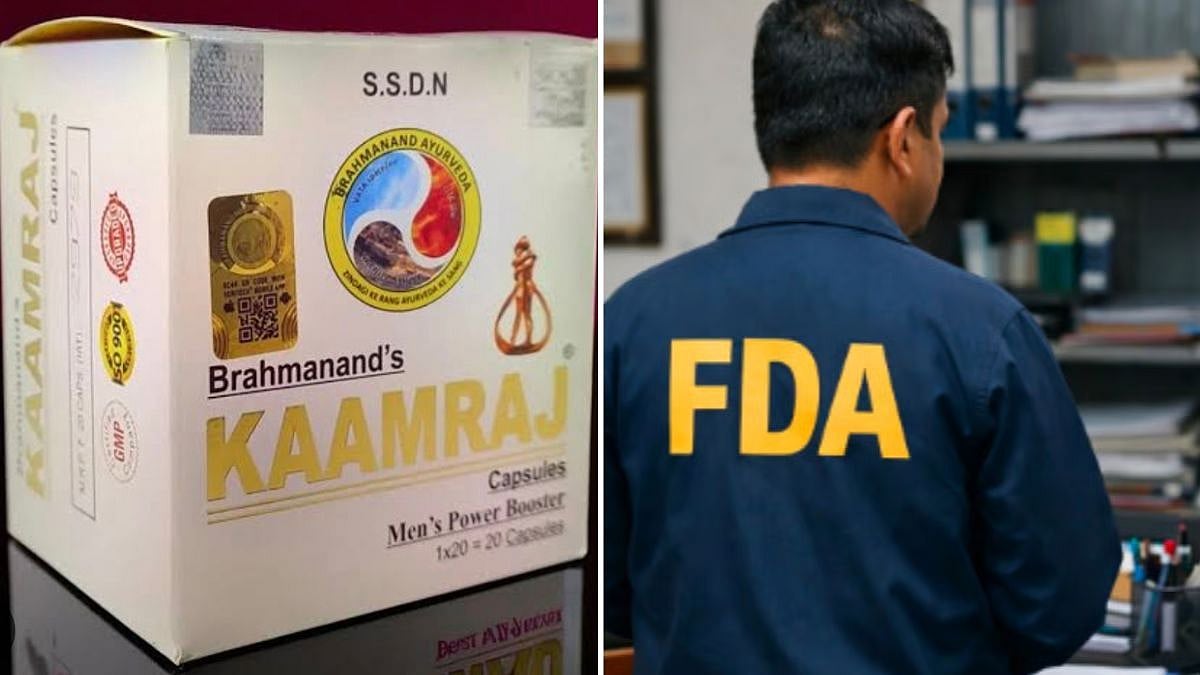
Counterfeit Drug Racket Exposed in India
This week, the Maharashtra FDA has made headway in uncovering a large-scale interstate counterfeit drug operation affecting several states, including Maharashtra, Madhya Pradesh, Uttar Pradesh, and Punjab. Twelve individuals have been booked as part of this extensive investigation, which highlighted the distribution of both counterfeit allopathic medicines and adulterated Ayurvedic products.
The implications of such counterfeit operations are dire. Consumers may unwittingly subject themselves to ineffective or harmful products, significantly undermining trust in healthcare systems. Most alarmingly, the prevalence of counterfeit medications can lead to serious health risks, especially for individuals with chronic conditions reliant on effective treatments.
The Fight Against Opioid Crisis Intensifies
Meanwhile, in the United States, the FDA approved another over-the-counter naloxone product—Rextovy (naloxone hydrochloride)—expanding access to critical life-saving treatment for opioid overdoses. This approval arrives amidst a deepening crisis as overdose deaths continue to rise, highlighting the urgent need for effective interventions.
Naloxone, often known by its brand name Narcan, is a key emergency treatment that can reverse the effects of an opioid overdose if administered in time. The shift towards making naloxone widely available without a prescription is vital in equipping first responders and the public with the tools necessary to combat potential fatal overdoses.
Key Takeaways and What to Watch Next
- Counterfeit Drug Risk: The Maharashtra FDA's investigation raises critical awareness of counterfeit drugs in India, necessitating stricter regulations and consumer vigilance.
- Opioid Crisis Response: The approval of Rextovy adds to a growing arsenal of tools to tackle opioid-related emergencies, and it will be crucial to monitor its distribution and usage rates.
- Trust in Healthcare Systems: Both events prompt a renewed call for transparency and safety in healthcare practices globally, affecting how patients perceive treatment options.
As these stories unfold, the healthcare landscape is reminded of the urgent need for regulatory oversight and public awareness on both counterfeit medication risks and the ongoing opioid crisis. Observers should keep an eye on subsequent regulatory updates and public health campaigns aimed at safeguarding consumer health.